
Stakeholders Validate SMART Advocacy Plan for Increased Malaria Funding
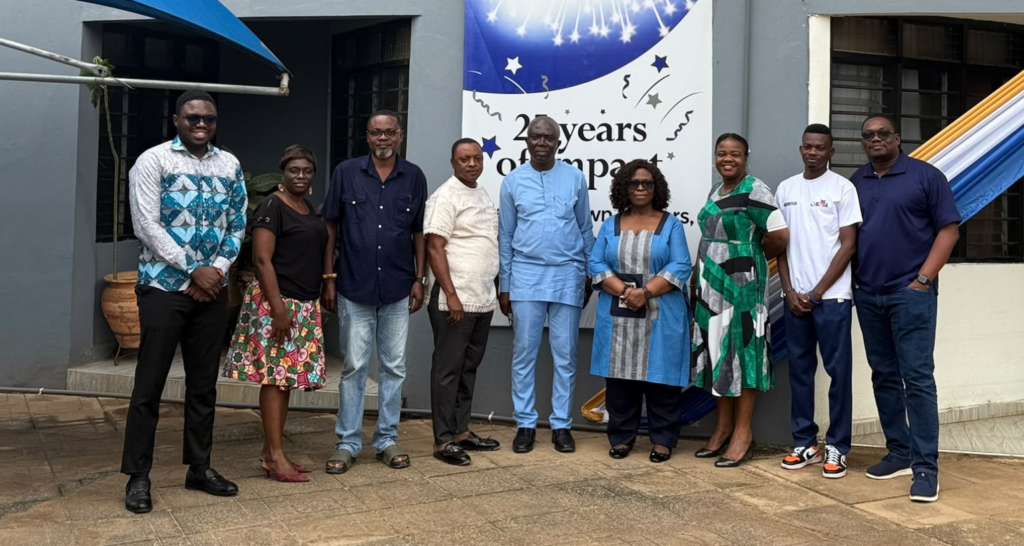
Hope for Future Generations (HFFG) has engaged stakeholders, including Malaria Civil Society Organisations (CSOs), the Ghana Malaria Taskforce, CCM-Ghana, AMMREN and Young Health Advocates, in a strategic meeting to validate the 2026 SMART Advocacy Plan for implementation.
The meeting, held in the first week of August 2026, brought together key stakeholders to review the advocacy roadmap and identify practical strategies for securing stronger commitments towards increased and sustainable domestic financing for malaria interventions in Ghana.
The SMART Advocacy Plan is a major deliverable of the Global Fund GC7 Community Engagement Strategic Initiative (CE SI) Project. The objective of the Advocacy Plan is to secure stronger commitments from state and non-state actors towards increased and sustainable domestic financing for malaria interventions in Ghana. The project is funded by the Global Fund through Civil Society for Malaria Elimination (CS4ME).
The meeting reviewed the advocacy roadmap and identified practical strategies for engaging key stakeholders to ensure sustainable financing for malaria elimination efforts.
The Project Lead, Mr Anthony Nkrumah, took participants through the SMART Advocacy Plan, explaining its key objectives, strategic actions and expected outcomes. He also facilitated an interactive session that provided an opportunity for participants to share their views and discuss strategies for strengthening the implementation of the plan.
Addressing participants, the Executive Director of HFFG, Cecilia Senoo, urged the selected stakeholders to remain committed to the advocacy agenda despite the current funding challenges affecting malaria programmes.
She noted that the decline in funding for malaria interventions makes the role of civil society even more strategically important. She called on members to give their best to the cause by championing evidence-based advocacy that will influence decision-makers and mobilise increased domestic resources from government, development partners, the private sector and other non-state actors.
Ms Senoo stressed that sustained collaboration and commitment among stakeholders would be critical to the successful implementation of the SMART Advocacy Plan and to ensuring that malaria remains a national health priority.
It is expected that the SMART Advocacy Plan will support a conscious, strategic and well-targeted domestic resource mobilisation drive that will sustain malaria elimination initiatives and position Ghana as a potential self-financing country amid the current downturn in global health financing support.
Participants reaffirmed their commitment to working collectively to intensify advocacy efforts for increased and sustainable financing for malaria programmes in Ghana. These efforts will include engaging the Coalition of Parliamentarians in the Elimination of Malaria in Africa (COPEMA), Ghana Chapter. Participants also resolved, among other planned activities, to build the capacity of the Coalition of NGOs in Malaria and support the Coalition to develop and present a strong proposal for the Global Fund GC8 grant.
