
Young Voices, Honest Conversations: HFFG Joins AHF Ghana Youth Engagement on HIV and STI Prevention
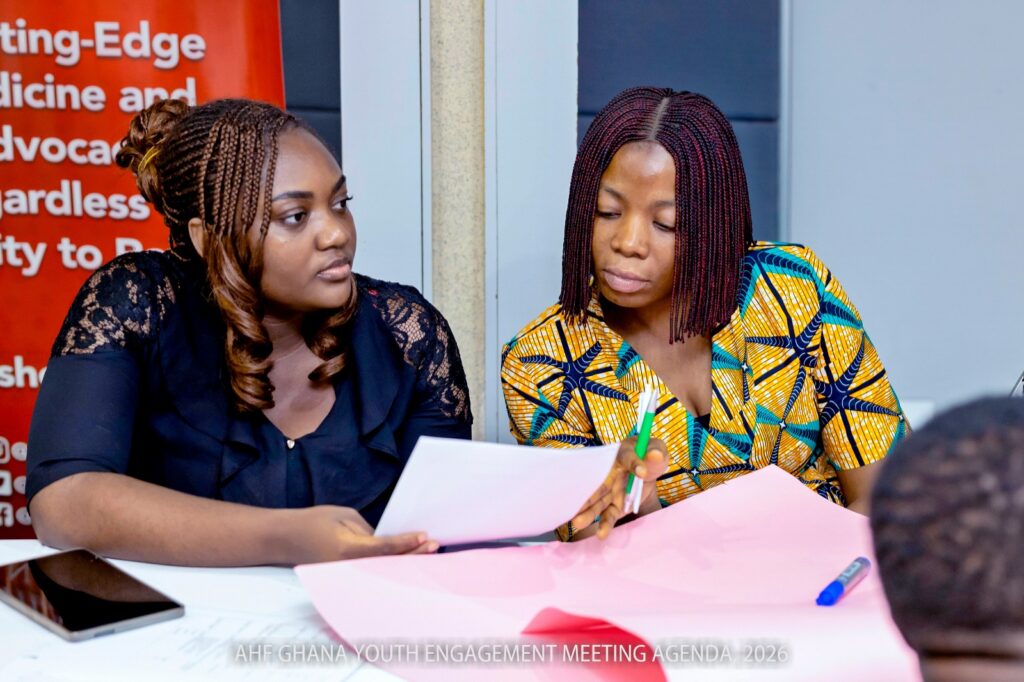
Accra, Ghana — September 29, 2026: Young people took centre stage in conversations on sexual and reproductive health as Hope for Future Generations (HFFG) participated in the AHF Ghana Youth Engagement Meeting, bringing together young people and key stakeholders to discuss HIV and sexually transmitted infection (STI) prevention, condom access and use, and access to accurate, youth-friendly health information and services.
The engagement provided a safe and open space for young people to share their experiences, perspectives and concerns about sexual health. Discussions focused on the realities young people face in accessing information and services, as well as the factors that can influence decisions around HIV and STI prevention.
A key area of discussion was condom access and use. Participants explored some of the barriers that can prevent young people from accessing or consistently using condoms, while also unpacking myths, misconceptions and concerns surrounding condom use. The conversations highlighted the importance of ensuring that young people have access to reliable information and appropriate prevention options that enable them to make informed decisions about their health.
The meeting also created an opportunity to discuss STI risks, prevention and management, with participants reflecting on the importance of early access to accurate information and appropriate health services. The discussions reinforced the need for youth-friendly approaches that make sexual and reproductive health services accessible, confidential and responsive to the realities of young people.
Beyond identifying challenges, participants were encouraged to contribute to solutions. Young people worked collaboratively to develop youth-focused health messages and identify communication channels that can effectively reach their peers. The process recognised that young people are not simply recipients of health information but important partners in designing messages and approaches that resonate with their experiences.
The engagement underscored the value of creating spaces where young people can ask questions, challenge misconceptions and have honest conversations about issues that directly affect their health and wellbeing. Meaningful youth engagement can help ensure that health interventions are informed by the voices, needs and lived experiences of the people they are intended to serve.
For HFFG, participation in the engagement reflects its commitment to collaboration, youth participation and inclusive approaches to health and development. By working alongside young people, civil society organisations and other stakeholders, HFFG continues to support efforts that place communities at the heart of health conversations and solutions.
As Ghana continues to strengthen efforts to prevent HIV and STIs and improve access to sexual and reproductive health information and services, sustained engagement with young people will remain essential. Their voices, ideas and experiences can help shape more relevant, accessible and effective approaches to health promotion and prevention.
HFFG remains committed to building partnerships and creating opportunities for young people to participate meaningfully in conversations and decisions that affect their health and future.


